Ghat Desk Active
17:42:09 IST
Ganga Water: 16.4°C • Glacial Clear
Maha Aarti in 38m
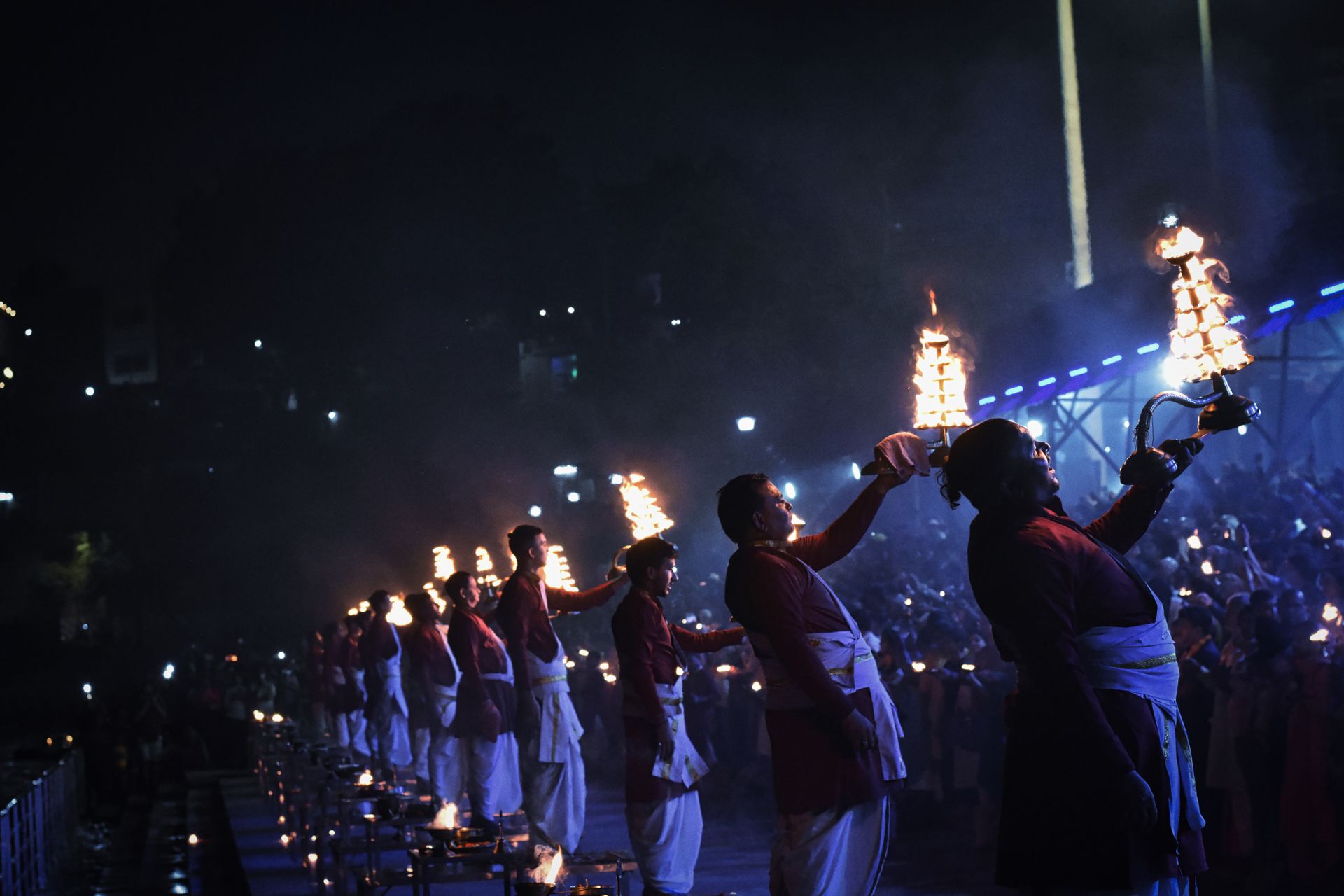
Ganga Aarti at Triveni Ghat in Rishikesh at night, priests and devotees holding lit lamps over the river

Project Prana · The Living Spirit of the Land

The living spirit of the land

This is not a destination. This is a living consciousness.
The soil here remembers. The wind here listens.
The river here has been chanting long before your city was ever awake.

We do not ask you to follow rules.
We ask you to soften your frequency — so you can feel the pulse of this land.

Some places are not meant to be seen.
They are meant to be felt.

Are you ready to listen?

breathe

Photograph: Soubhagya Maharana · Pexels

Breath one · Seven windows

The films we keep returning to

Seven films about this river and the people on its banks — each one watched and checked before it was listed here. No playlists, no compilations, no travel channels.

    Breath two · The why

    Three reasons the locals keep their lines

    Every custom below is a practice, not a prohibition. None of it is here to restrict you — it is here to explain the silence you will notice after dark, the tea you will not be billed for, and the calendar the food keeps.

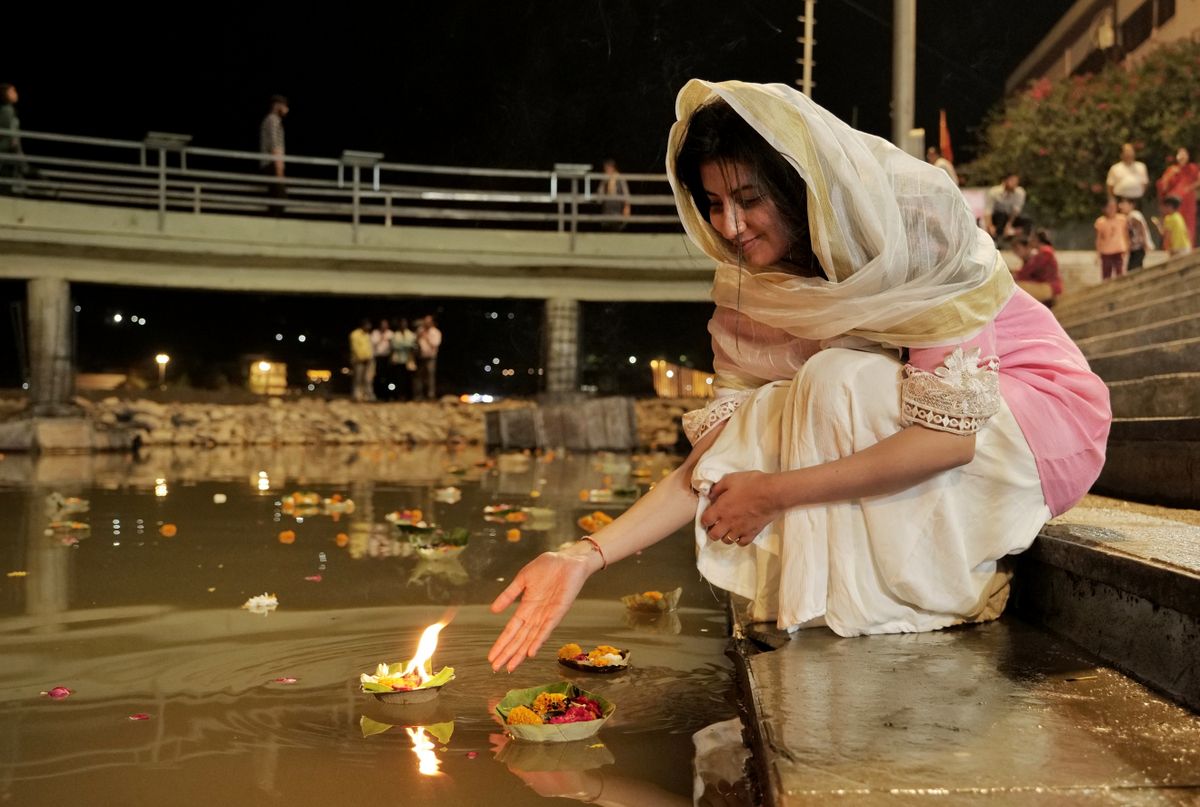
    A woman in traditional clothing setting a candle on the Ganga at night in Rishikesh
    Photograph: Om Dixit · Pexels

    Why the nights are quiet

    The Sacred Silence

    By nine in the evening the lamps along the ghat are down to a low orange line, and the loudest thing on the river is the water finding the stones. This quiet is not empty — it is tended. After the evening aarti, the families on Triveni Ghat fold their cots, the chai pots are washed, and the river is left to itself.

    Loud evenings here do not last, because someone is always ready to lower their voice a little. Come with a group that talks over each other and the ghat will not scold you — it will simply grow quieter, until you notice you have stopped too. The silence is not a rule handed down. It is an atmosphere the whole town keeps, and anyone may borrow it for a few hours.
    Film slot · reserved A four-minute night piece from the ghat — the channel film is being cut and will be embedded here.
    Draft copy · owner review The practical courtesies →
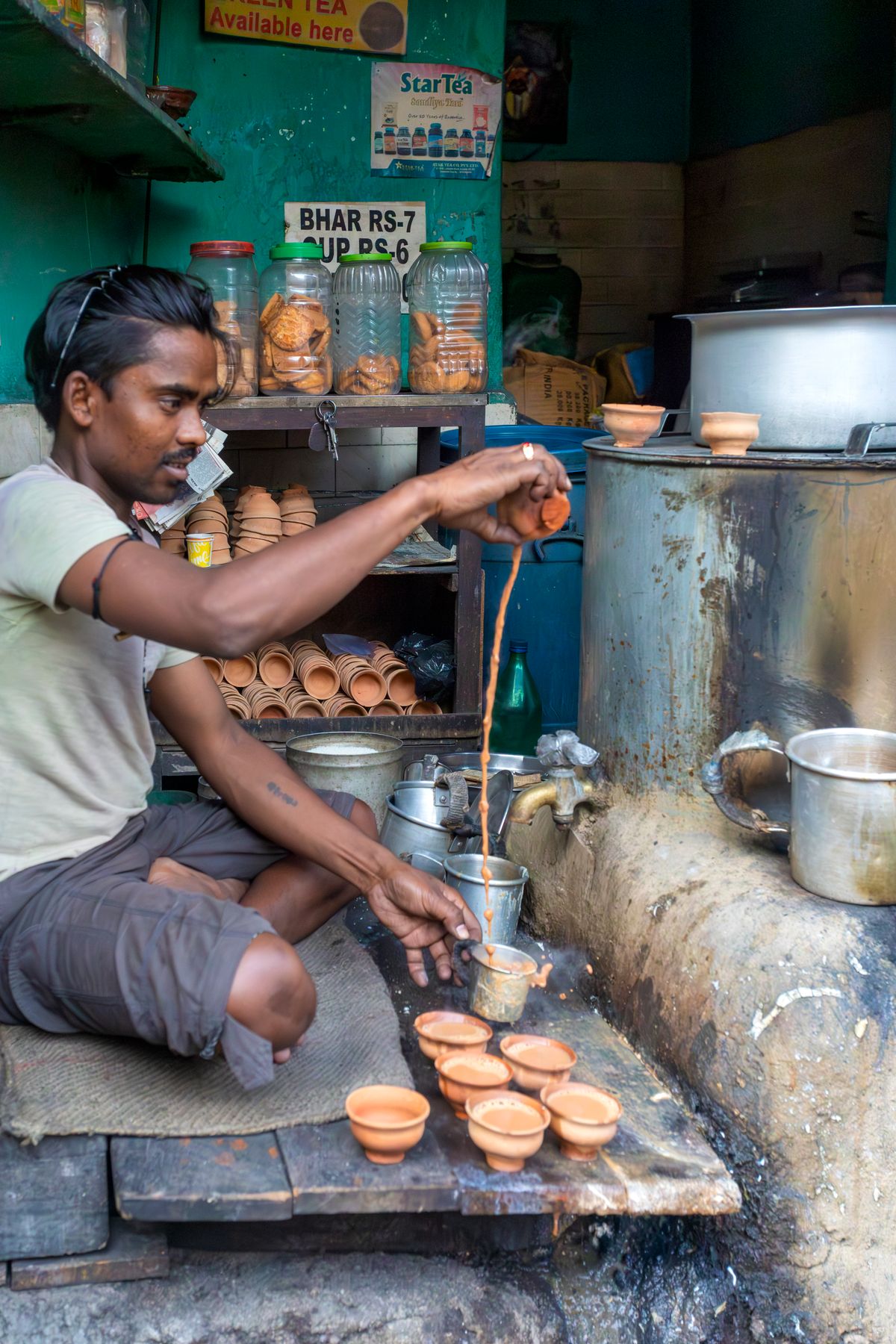
    A vendor pouring masala chai into clay cups at an Indian street stall
    Photograph: Robert Stokoe · Pexels

    Why the tea has no price

    The Art of Non-Transaction

    The chai stall on the ghat has no menu and no fixed price. You sit, you drink, and the man who poured it decides — from your face, from the hour, from how long you have sat quietly — what your glass is worth. The exchange is real. It is simply never the point.

    He has decided that a person who sits with him for twenty minutes and asks about his son in Dehradun is worth more than the price of tea. Visitors from the city often arrive carrying their own currency: the assumption that a figure in saffron is a prop, and that a story is a service to be consumed. That currency is not accepted here. Arrive as a guest rather than a customer and the conversation opens — the man who will not charge you for chai will tell you, unasked, which kitchen cooks the best khichdi and which ghat emptiest before the aarti.

    Film slot · reserved A short conversation at the chai stall, no translation — the channel film is being cut.
    Draft copy · owner review Stories of the soil →
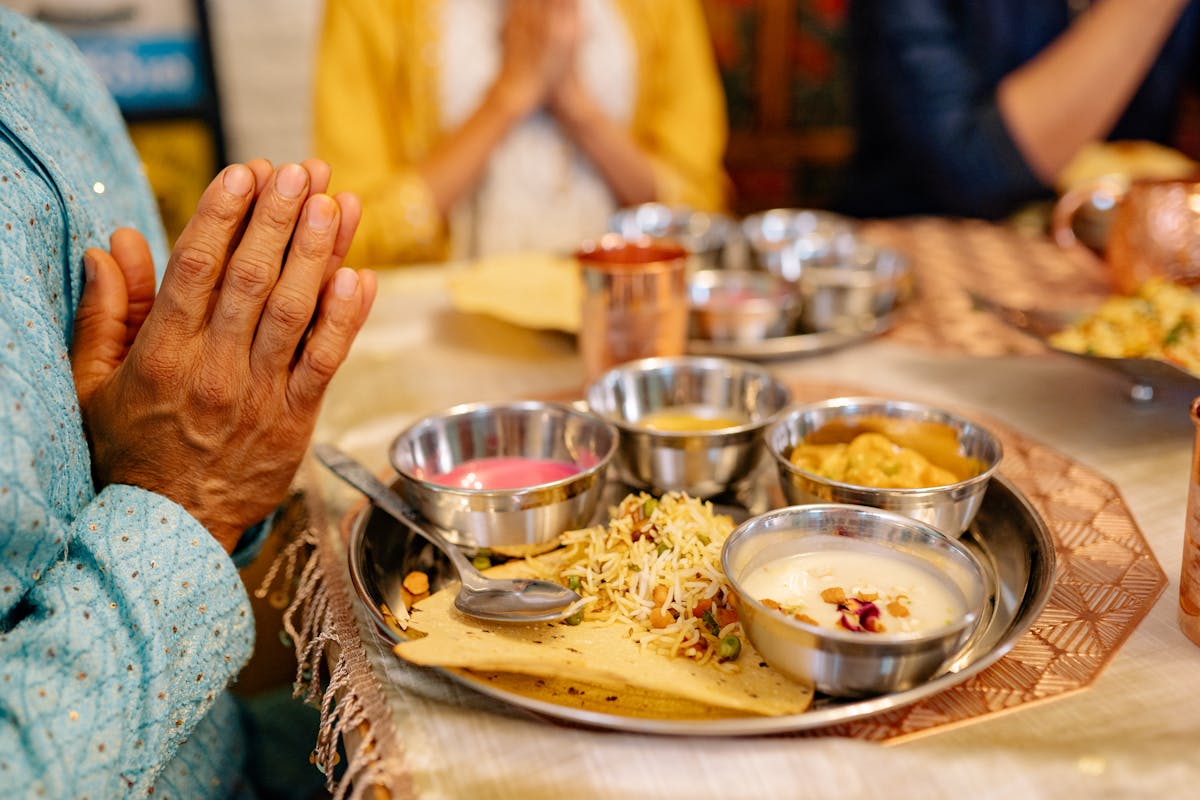
    Hands in prayer beside a traditional Indian meal served on a table
    Photograph: Yan Krukau · Pexels

    Why the food keeps a calendar

    The Rhythm of the Soil

    A marigold garland, a handloom, a pot of dal — these are not three separate traditions here, they are one rhythm. The hand that ties marigold at a temple gate is the hand that weaves the shawl and the hand that serves food at the ashram table.

    The rhythm does not change because the calendar changed; it changes because the season did. Fog in the cold months, Holi when the mustard should be flowering, and the plate in front of you is simply whatever the soil allowed that month. This is how a visitor can feel a village's calendar without ever reading it: the food arrives, and the season arrives with it. The rhythm was never a rule to obey. It is the tempo you move at while you are here — and the soil sets it, not the visitor.

    Film slot · reserved A kitchen at 5 a.m. — the channel film is being cut.
    Draft copy · owner review The practical courtesies →
    Breath two · The reading

    Seven pieces worth an evening of yours

    Reportage, research and institutional writing about this river and the people who live by it. All seven are long reads, and all seven are open to read.

      Breath three · The invitation

      If something in you moved, come a little deeper

      Nothing here is forced and nothing is a gate. Three doors, each of them quiet, each of them open.

      01

      Read the unsaid

      Field notes and long threads from the soil — the stories that were never short enough to fit a bullet list.

      Open the journal

      02

      Listen to the soil

      While our own films are still being cut, three that answer the same questions: the culture, the routes and the rivers of this region.

      Films to watch Third-party films on YouTube, linked with their real titles and channels — not films we made.

      03

      Join the Conscious Circle

      A quiet letter, no noise: one field note, one photograph, one thing we heard. Leave whenever you like.

      Conscious Traveler Pledge

      You are no longer just a visitor; you are a custodian of this consciousness.

      Breath three · The doors

      Go to the source, not the summary

      The ashram, the state and the river mission speaking in their own words — aarti timings, retreat calendars, official notices. First-hand, and free to read.